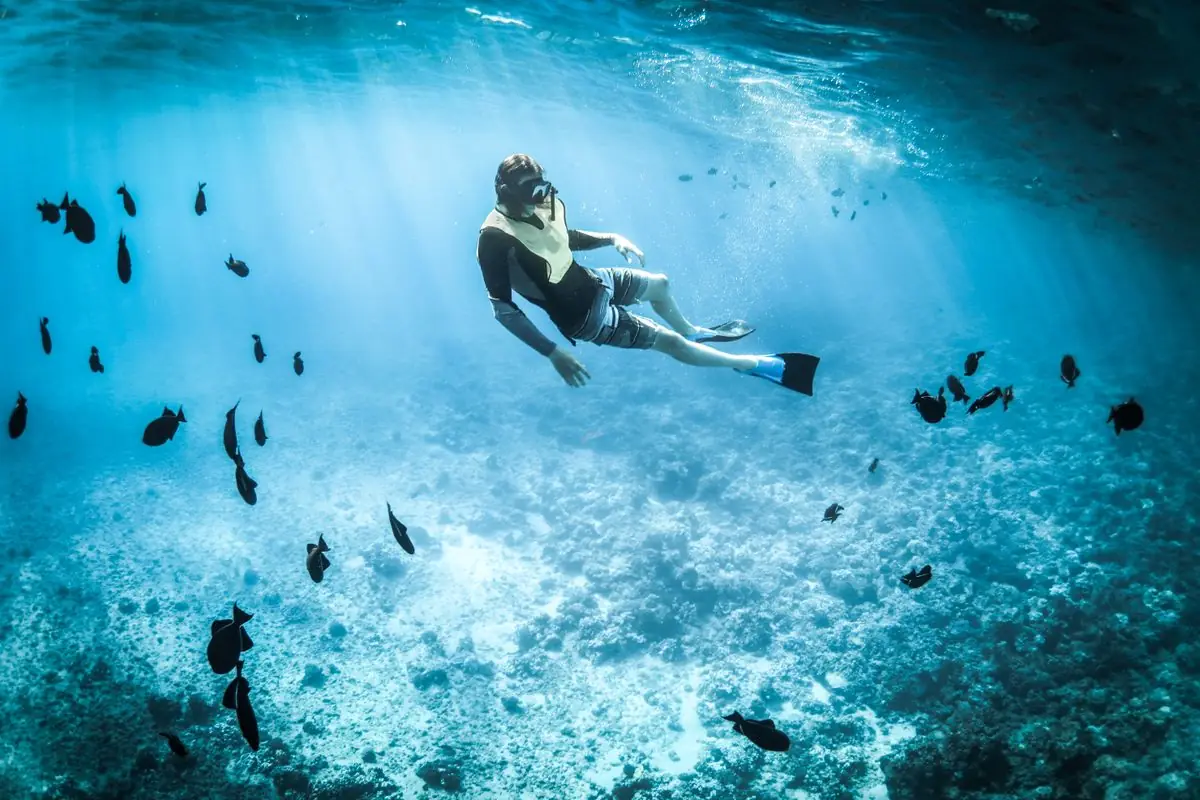
Short answer. For turtles, snorkel the lagoon at Polhena: we see them on almost every tour, which is far less certain on a dive. Sharks are rare on this coast, whale sharks are rarer still, and whales live in deeper water than we dive, so they are a separate boat trip. The south coast has less coral than the east coast, but rocky reefs, a wide variety of small to medium fish and good macro life such as nudibranchs. Snorkeling is shallow and starts at age 8 ($18). Diving goes deeper from age 10, from $70.
| Day snorkeling | $18 adult · $9 child (up to 9) · age 8 and up · 1–3 m · about 2 hours |
|---|---|
| Night snorkeling | $28 · age 8 and up · 6:30 pm · 1–3 m · about 1.5 hours |
| Try Diving Experience | $70 (1 dive) · age 10 and up · 5–10 m · about 3 hours · not a PADI programme |
| PADI Discover Scuba Diving | $110 (1 dive) · age 10 and up · up to 12 m · half a day · counts toward Open Water |
| PADI Open Water Diver | $395 · age 10 and up · 3–4 days |
What travelers ask before they choose
Travelers planning a trip to the south coast ask the same questions again and again: where do I see turtles, can I see sharks, can I see whales while diving, is there any coral, and is the south coast worth it for diving at all. Here are straight answers, from people who are in the water here every day.
What you can really see: snorkeling and scuba diving compared
| Sea life | Snorkeling the lagoon | Scuba diving |
|---|---|---|
| Turtles | Seen on almost every tour. We cannot promise it, they are wild animals | Much less certain than in the lagoon |
| Reef fish | Parrotfish and butterflyfish, with rays at times | A wide variety of small to medium fish around rocky reefs |
| Macro life | Not the focus | A good amount, such as nudibranchs, if you look closely |
| Coral | Little coral, compared with the east coast | Little coral, compared with the east coast |
| Sharks | Rare | Rare |
| Whale sharks | Incredibly rare, an occasional surprise | Incredibly rare, an occasional surprise |
| Whales | No | No, they live in deeper water than we dive |
Turtles: snorkel the lagoon
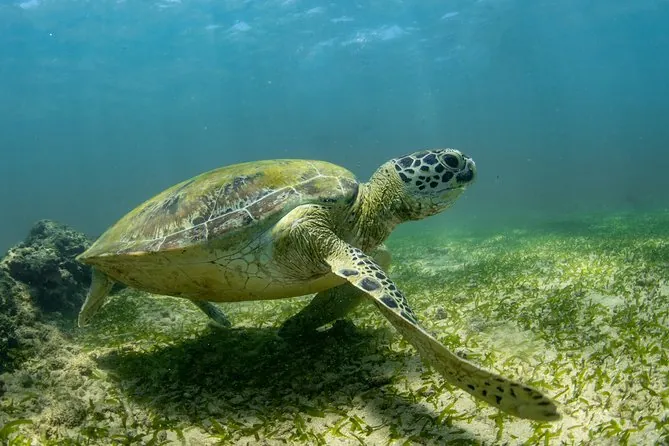
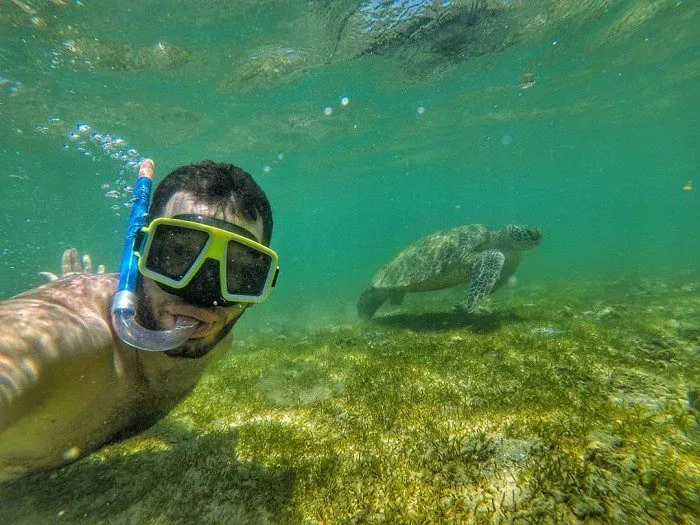
Green and hawksbill turtles feed in the seagrass of the shallow lagoon at Polhena, often a few metres from the beach. You swim out from the sand with a guide, in 1 to 3 m of water, so you spend your time looking for turtles instead of managing equipment. We see turtles on almost every tour, which is why snorkeling is the better choice if turtles are your priority. We still cannot promise one, because they are wild animals, and our guides keep everyone at a respectful distance: please do not touch or chase them. Mornings are best, when the water is clearest. See the snorkeling page and the guide to snorkeling with turtles.
Whales: a boat trip, not a dive
You will not see whales while scuba diving. Whales stay in deep water near the edge of the continental shelf, and our dive sites are in much shallower water closer to the coast. Whale watching is a separate boat trip that goes out to those deeper waters. We do not run whale watching in Matara, but we do in Trincomalee, on the east coast, through Coco Diving, our other dive centre. If whales are your priority, plan that trip separately and add a snorkel or a dive for the reef when you are on the south coast.
Coral: an honest picture of the south coast
If coral is what you want most, the east coast has more of it. Around Trincomalee, the reefs at Pigeon Island and Navy Island have much more coral than anywhere on the south coast. We run trips to Navy Island with Coco Diving, but not to Pigeon Island. The south coast has less coral, but it has rocky reefs, a wide variety of small to medium marine life, and a good amount of macro life such as nudibranchs. Snorkelers get the turtles. See our dive sites and the guide to the sites off Mirissa.
Small things on the reef: macro life
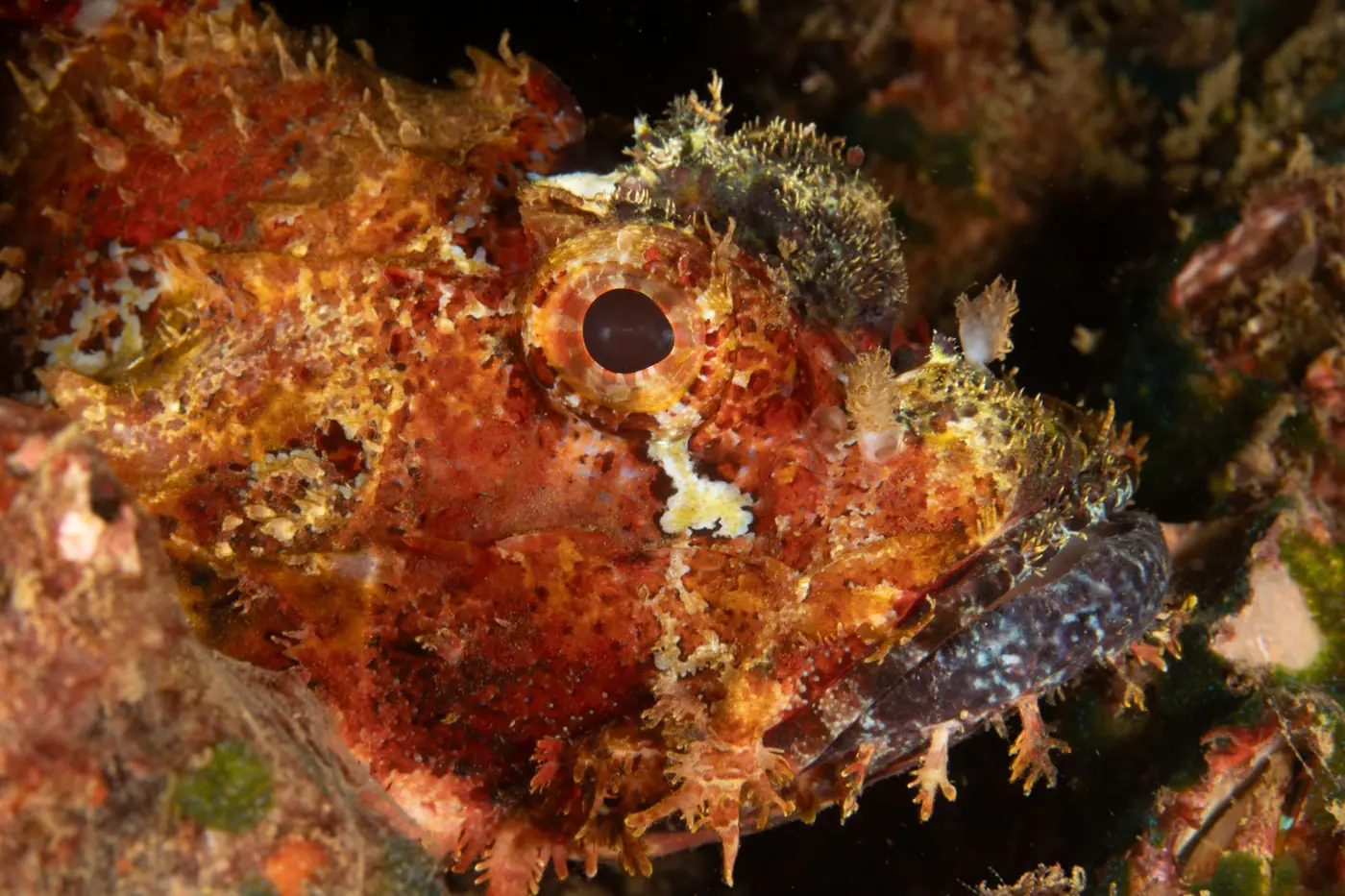
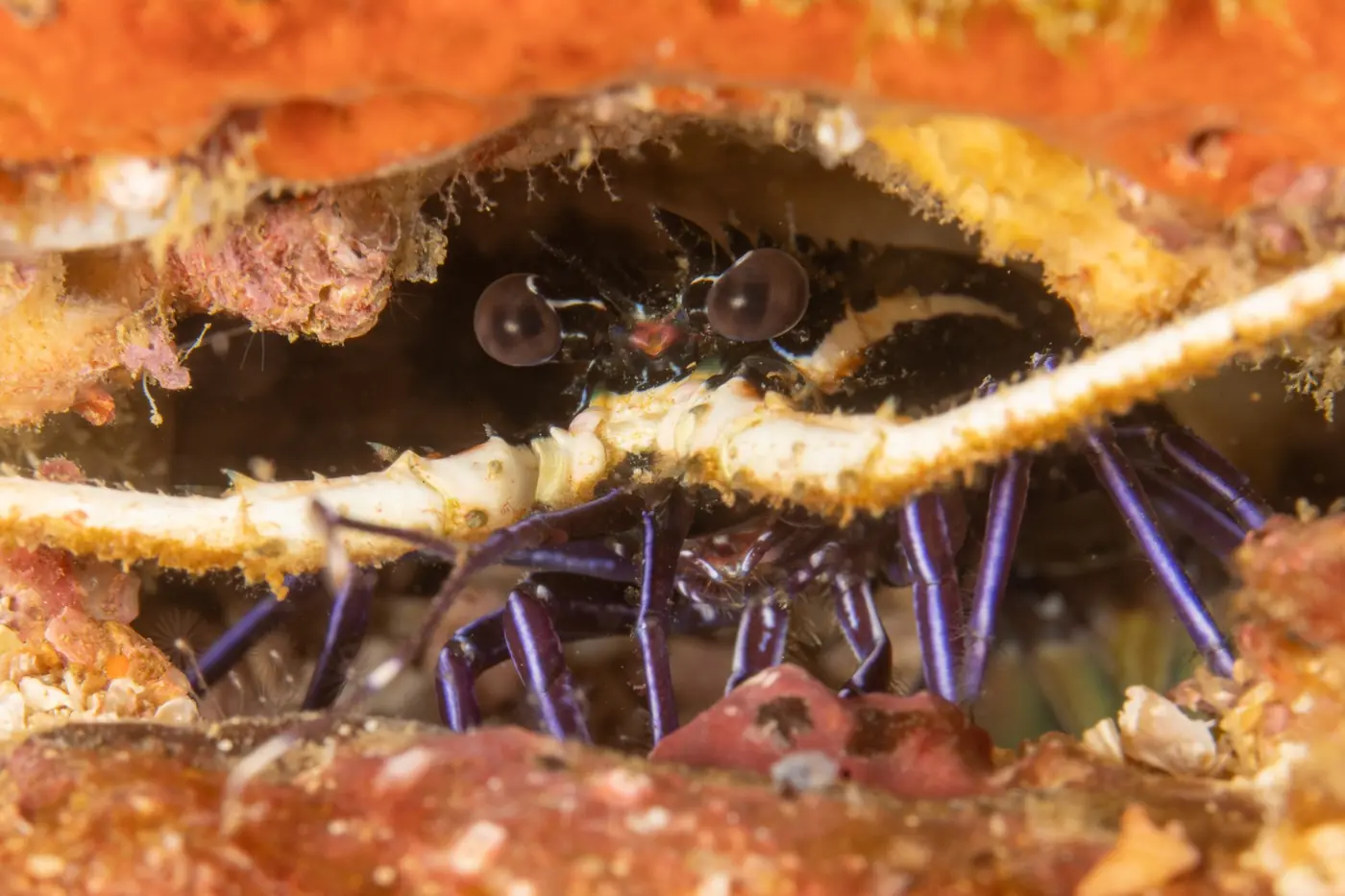
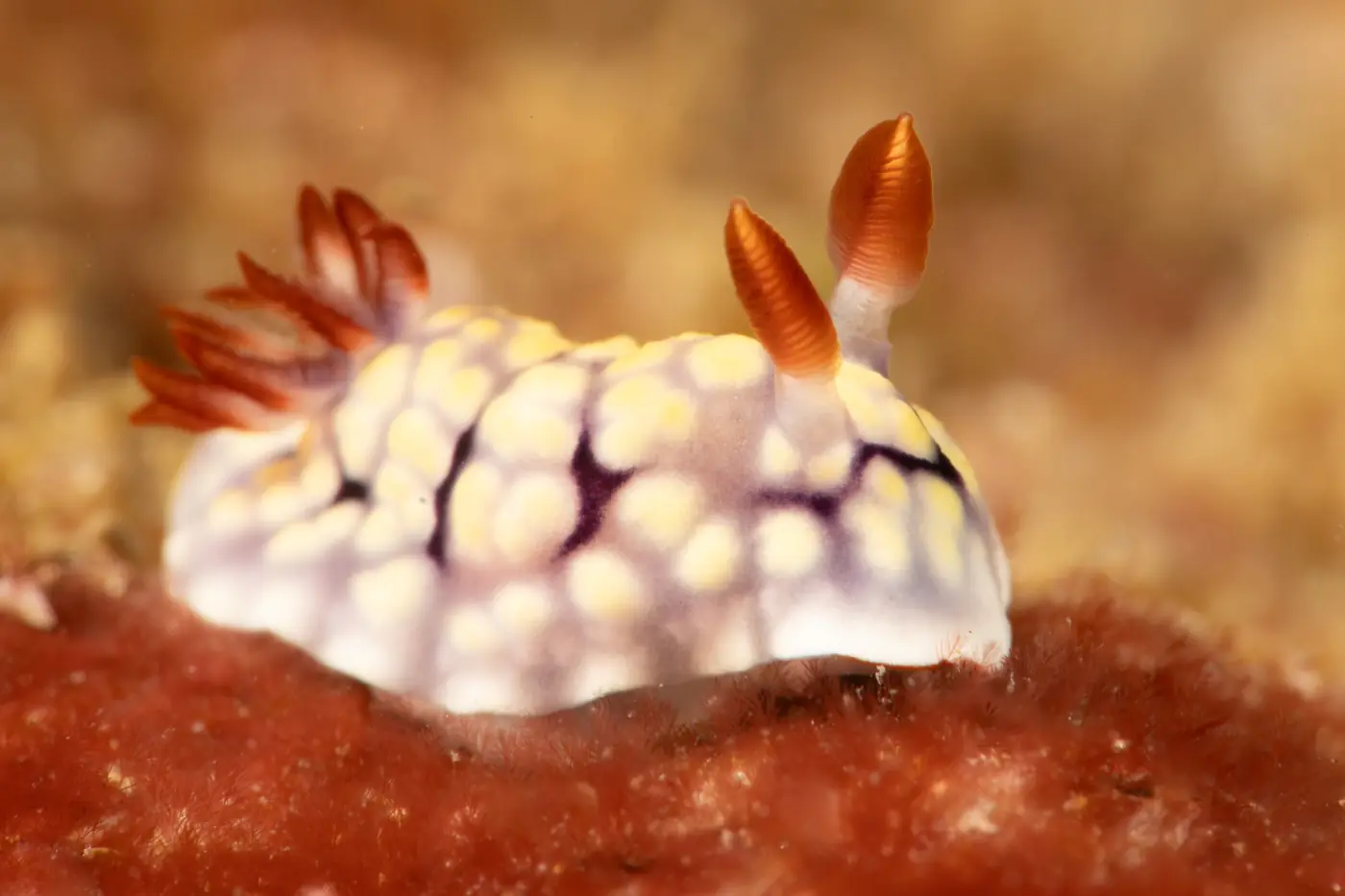
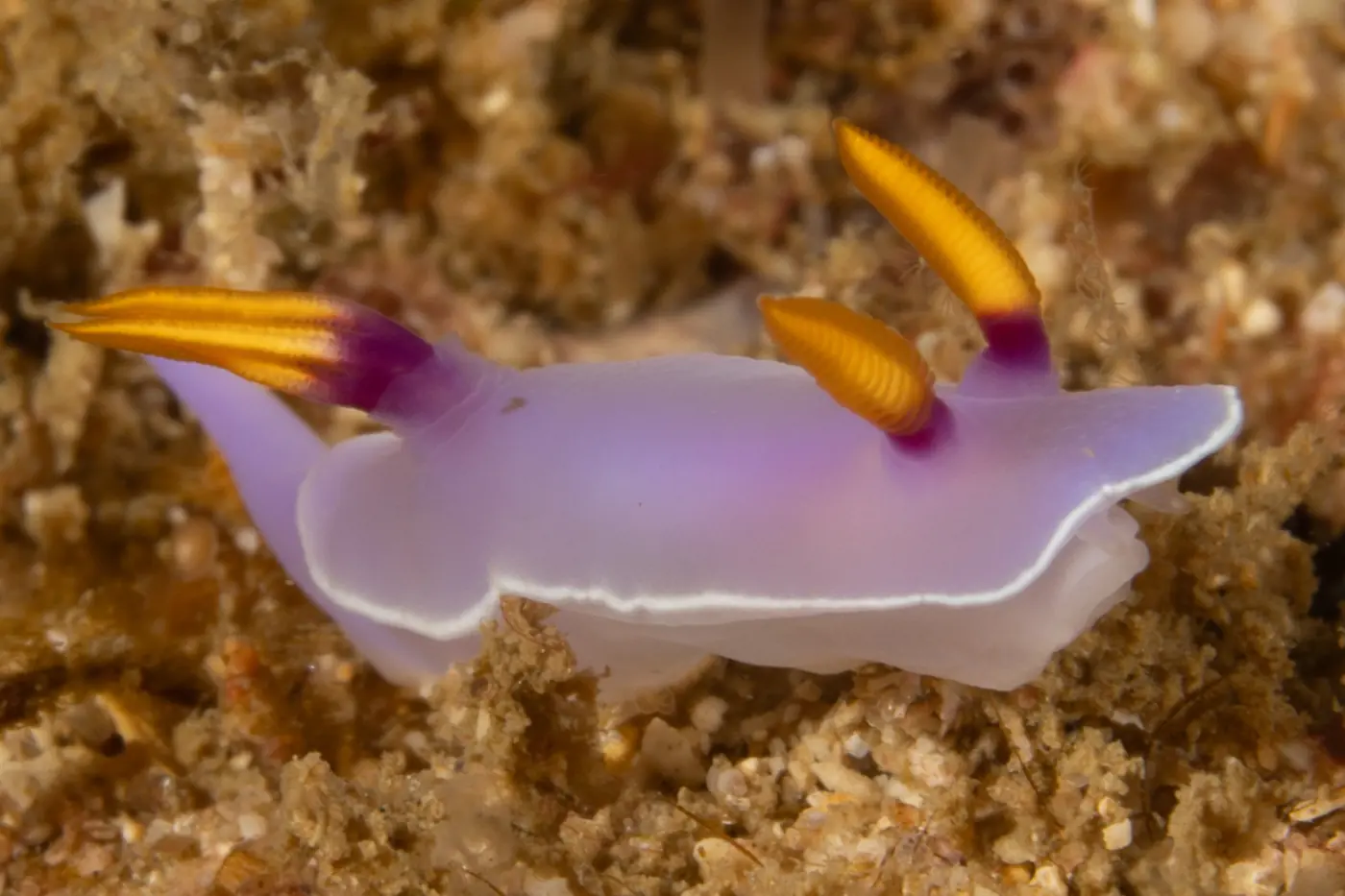
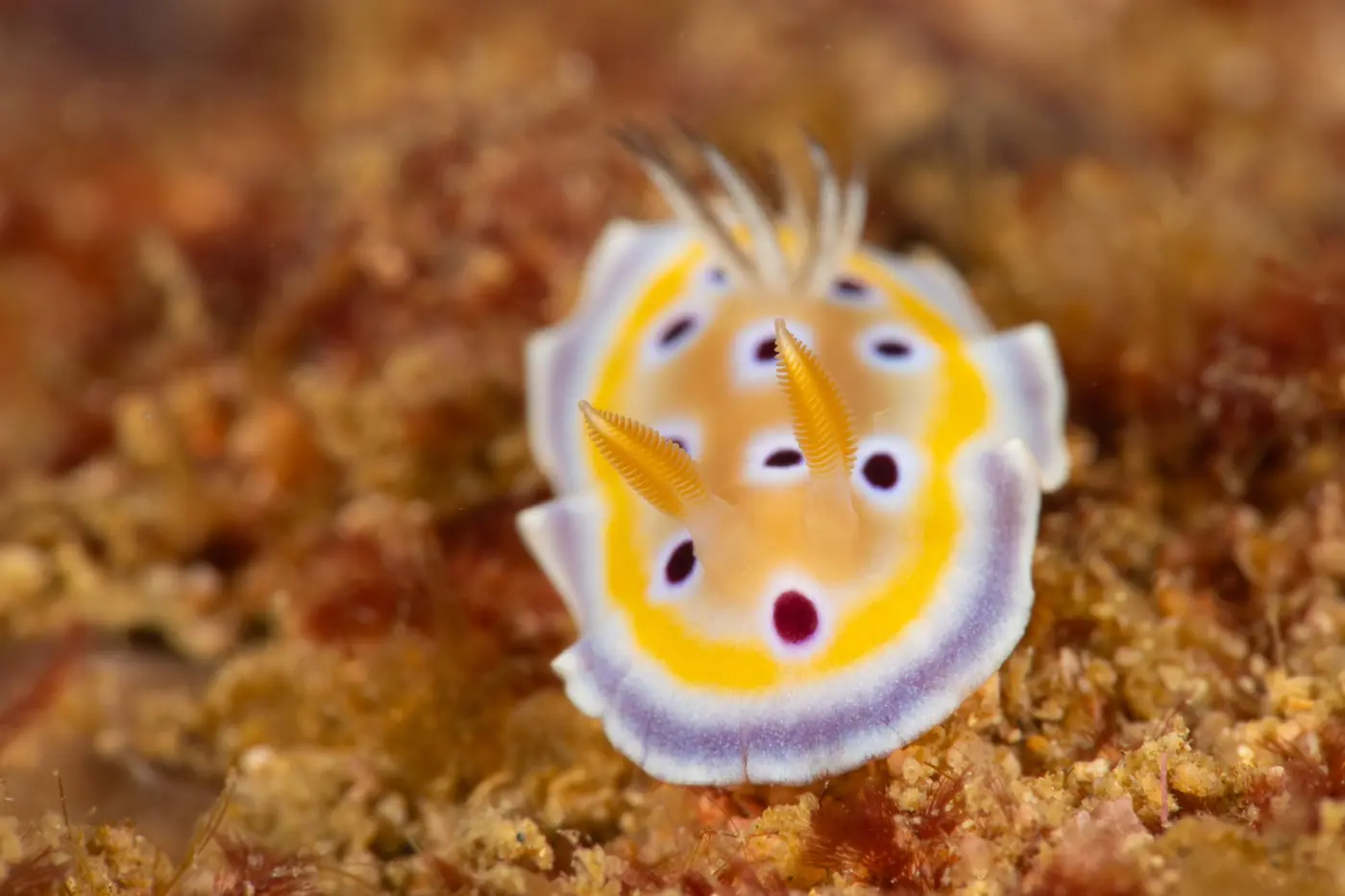
What the south coast reefs lack in coral they make up for in small animals: nudibranchs, crustaceans watching from crevices and fish so well camouflaged that you can swim past them. Go slowly and look closely. Here are a few of them, photographed on the south coast.
South coast or Trincomalee?
The east coast has the coral. The south coast has convenience: food, places to stay, coffee, nightlife, scuba diving, snorkeling and water sports are all within easy reach of each other, so a trip here is simple to plan and easy to enjoy even on days you are not in the water. The seasons fit together too: the east coast season falls in the months we are closed (June to September), and in those months we run Coco Diving in Trincomalee, with trips to Navy Island and whale watching. So you can plan the south coast from October to May, and Trincomalee when we are closed.
Snorkeling: shallow, short and no experience needed
You swim from the beach with a guide over a lagoon reef that is 1 to 3 m deep, with standing depth in places. The mask, snorkel, fins and life jacket are included, so you do not need to be a strong swimmer. Day tours start every 30 minutes from 7:00 am, and there is night snorkeling at 6:30 pm, when crabs and lobsters come out and turtles sleep under the rocks.
Scuba diving: deeper, with a few skills first
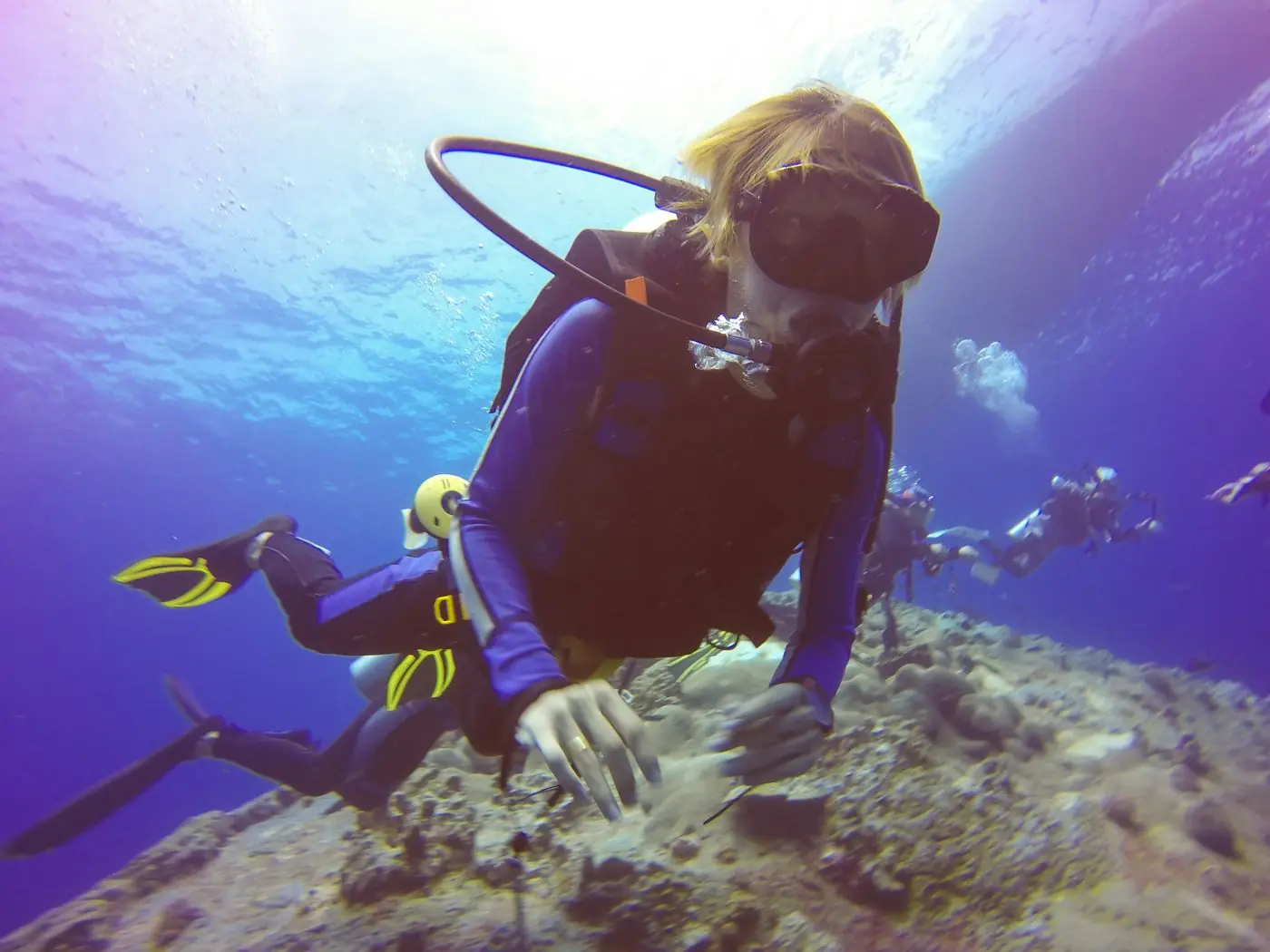
Scuba lets you breathe underwater and spend 35 to 40 minutes on a dive instead of floating at the surface. Before the dive an instructor or divemaster teaches the basics in shallow water, and then stays next to you at 5 to 10 m (Try Diving Experience) or up to 12 m (PADI Discover Scuba Diving). Both dive at Moray Point and both start at 8:00 am. You fill in a short medical form first, and some medical conditions need a doctor's sign-off. See the try diving page and our first dive guide.
Which one suits you
- You want turtles. Snorkel the lagoon.
- Children aged 8 or 9. Snorkeling. The minimum age for diving is 10.
- You are not sure about deep water. Start with snorkeling: it is shallow and you wear a life jacket.
- You want to breathe underwater and look at reefs and small marine life. Choose a try dive. Pick PADI Discover Scuba Diving if you think you may carry on, because it counts toward the Open Water course.
- You want whales. Not on a dive or snorkel in Matara. We run whale watching in Trincomalee with Coco Diving.
- You want sharks. They are rare on this coast, so do not plan a trip around them.
- You want big coral gardens. The east coast is better for that, and we run trips to Navy Island there with Coco Diving in the months we are closed.
- You only have a morning. Snorkeling takes about 2 hours, a try dive about 3 hours.
- You want to keep diving on later trips. The PADI Open Water Diver course takes 3–4 days and costs $395, and our learn to dive guide explains how it works.
Doing both
Day snorkeling slots run from 7:00 to 9:30 am and try dives start at 8:00 am, so they are best booked on different days. Tell us in your request what each person wants and we plan around it. After any dive, allow at least 18 hours before a flight.
Pickup and season
Free tuk-tuk pickup for scuba diving guests, from hotels within about 5 km of the centre and from Mirissa. Free pickup is for scuba diving guests only. For snorkeling a paid ride can be arranged: ask us for a price. We are open every day from October to May and closed from June to September, when the south-west monsoon brings rain. See the best time to dive guide for month by month detail, and the price list for everything in one place.
 Snorkeling with turtles
 Your first scuba dive
 With kids and teens