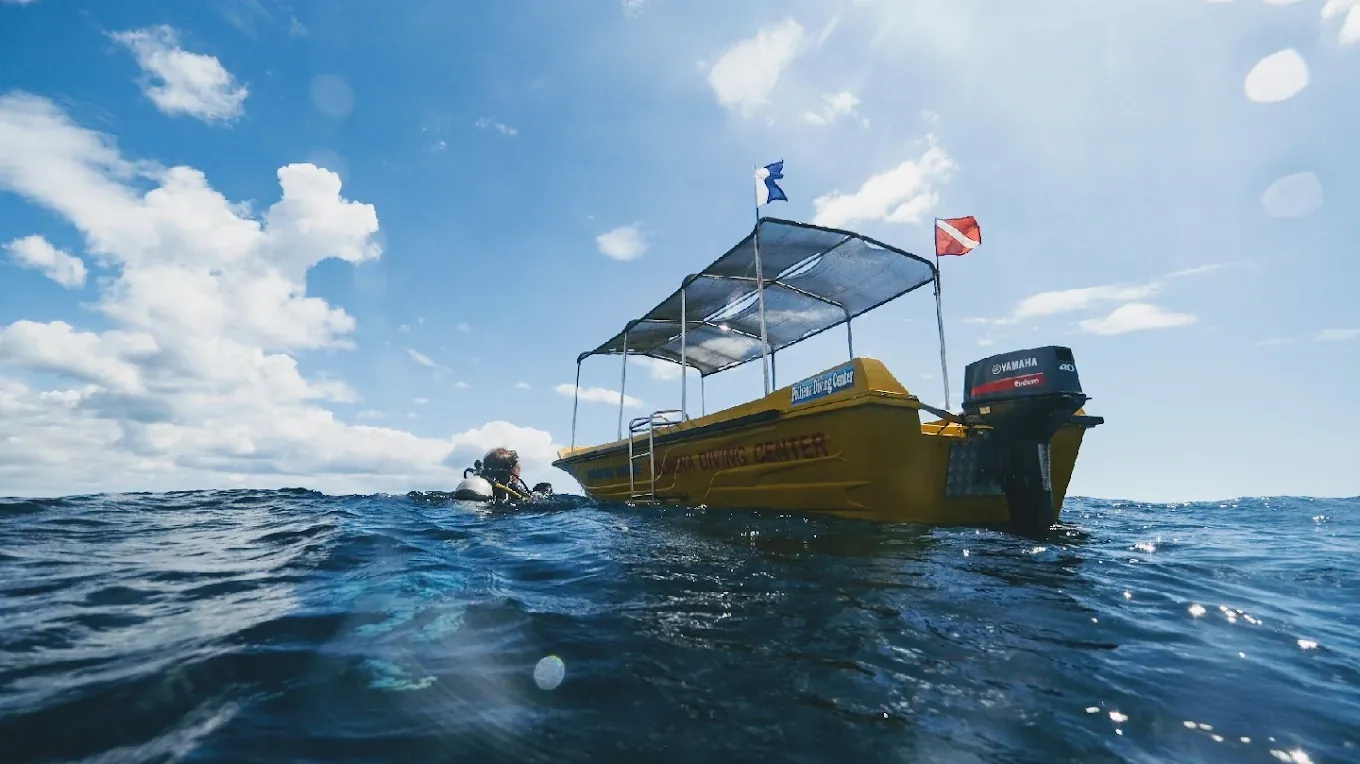
Short answer. Sri Lanka has diving all year, but not on every coast at once. The south and west coasts are best from about October to May, and we dive from Madiha, Matara every day in that window. You can learn from zero: a try dive from $70, a PADI Discover Scuba Diving from $110, or a full PADI Open Water Diver course from $395.
| Where we dive | Off Mirissa, Weligama and sometimes Matara, on the south coast |
|---|---|
| Our season | October to May (closed June to September for the monsoon) |
| Water | 27–30 °C, so a thin wetsuit or even a shorty is enough |
| First dive | Try Diving from $70, PADI Discover Scuba Diving from $110 |
| Certified divers | Fun dives from $35 with all equipment included |
| Boat rides | Usually 15–20 minutes to the closer sites |
Why dive in Sri Lanka
Sri Lanka is a small island with warm water, easy boat access and a mix of reef, rock wall and wreck diving. Most visitors come for the beaches and the food, then realise the sea is just as good. Green and hawksbill turtles feed in the shallows, moray eels sit in the rocks, and the reefs are full of everyday reef fish like parrotfish and butterflyfish.
It also suits beginners. The sea off the south coast is warm, the first sites are shallow, and there are several PADI dive centres to learn with.
Which coast to choose
The island has two monsoons, so something is always diveable, just not in the same place. The south and west coasts are generally calmest from about October to May. When the south-west monsoon arrives around May, the south turns rough and most centres here close; the east coast, around Trincomalee, is generally the better choice from roughly May to September.
We are on the south coast, in Madiha, a few minutes from Matara and a short tuk-tuk ride from Mirissa. We are open every day from October to May and close from June to September. Our full month-by-month calendar is in the best time to dive guide.
What you will see on the south coast
The south coast is about rocky reefs and walls rather than huge coral gardens, which is part of its charm. Our regular boat sites are covered in the dive sites guide: Moray Point at 5 to 15 m, Rock Wall dropping to 22 m, the Limestone Reef at about 23 m when conditions allow, and in the high season the Wombat Wreck at about 23 m, toward Tangalle.
Most days you can expect turtles, moray eels, schools of reef fish and plenty of colour on the rocks. Every dive is different, and we pick the site each morning by sea conditions and who is diving.
What scuba diving costs
All our prices are in US dollars and include equipment, tanks and weights, plus free tuk-tuk pickup from hotels within about 5 km and from Mirissa. Pay on the day in cash or by card (card payments have a 3% fee).
- Snorkeling from $18 for adults, $9 for children up to 9
- Try Diving Experience: $70 for one dive, $105 for two
- PADI Discover Scuba Diving: $110 for one dive, $150 for two
- Fun dives for certified divers: $35 for one, $60 for two
- PADI Open Water Diver: $395 with theory in our classroom, $450 with PADI eLearning
When you compare dive centres, check what each price includes: equipment, certification fee, eLearning and transport are the usual differences. See every price on the prices page.
How to start if you have never dived
You have two ways in. A try dive or PADI Discover Scuba Diving takes about half a day, needs no experience, and you dive with an instructor beside you at 5 to 12 m. If you love it, a PADI Open Water Diver course takes 3 to 4 days and gives you a certification for life.
Not sure which suits you? Our short Find your dive quiz picks one in four questions. You can also read about what a first dive is really like.
What to bring and what is included
Equipment is included with every snorkel and dive, so you only need swimwear, a towel, sun protection and a camera if you like. Certified divers bringing a full set of their own (everything except tanks and weights) get $5 off. We never rent gear on its own.
Bring your certification card and logbook if you are already certified; we check them before diving.
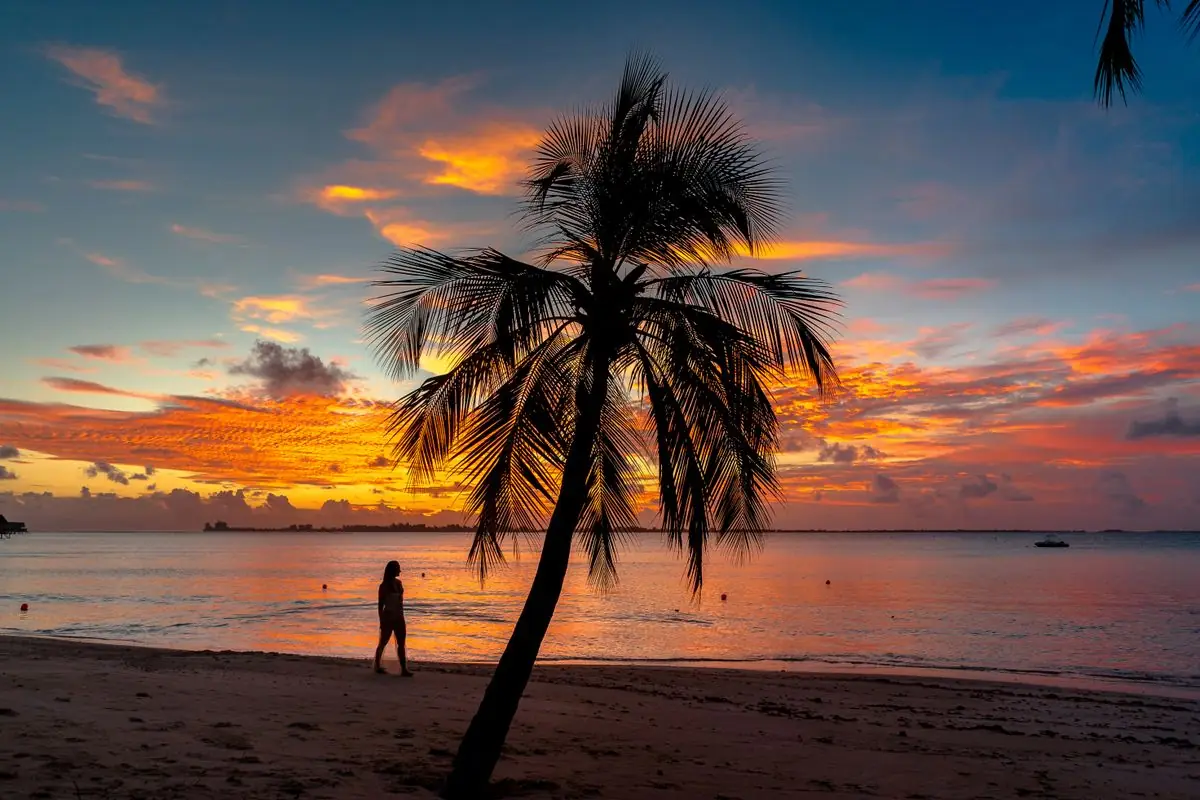 Best time to dive in Sri Lanka
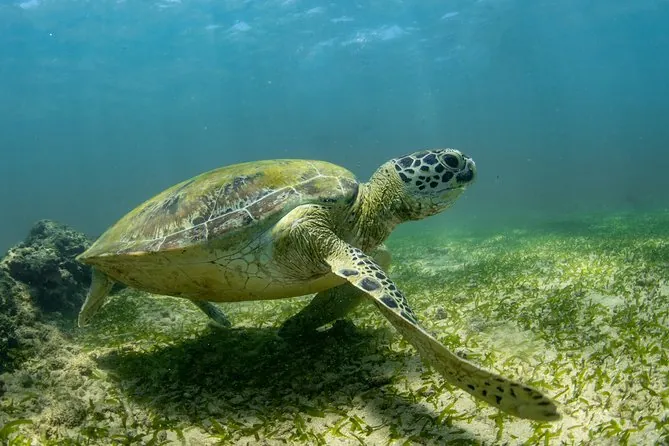 Snorkeling with turtles
 Learn to dive in Sri Lanka